
When you buy supplements in capsule form, you are always choosing a shell as well. On almost every one of our labels it says HPMC – short for hydroxypropyl methylcellulose. This article explains what that is, how HPMC differs from gelatine, and where its drawbacks lie.
What HPMC capsules are
HPMC is a polymer derived from cellulose – the building material of plant cell walls. The starting material is usually wood fibre or cotton. The cellulose is chemically modified, brought into solution and formed into capsule halves. The result is a shell with no animal content, neutral in smell and taste.
What speaks for it
- Plant-based: suitable for vegan and vegetarian diets, and independent of religious rules on beef and pork.
- Free of the usual allergens: HPMC contains no gluten, no soy and no dairy components.
- Stable in warmth: gelatine capsules soften and can stick together in high humidity and heat. HPMC holds its shape – which counts in transit and in a summer warehouse.
- Neutral: no smell, no taste of its own.
- Inert: HPMC does not react with the contents.
What speaks against it
- Price: HPMC shells cost more to make than gelatine. That feeds through to the retail price – one reason very cheap preparations tend to use gelatine.
- Moisture: HPMC is somewhat more permeable to water vapour, which can matter with strongly hygroscopic contents.
- Dissolution time: HPMC capsules open a little more slowly in the stomach than gelatine ones. For the vast majority of applications this is of no consequence.
HPMC and gelatine compared
| Property | HPMC | Gelatine |
|---|---|---|
| Origin | plant (cellulose) | animal (beef or pork) |
| Vegan | yes | no |
| Price | higher | lower |
| Heat and humidity | holds its shape | softens, can stick |
| Dissolution time | slightly slower | faster |
| Smell and taste | neutral | slight taste possible |
Why we use HPMC
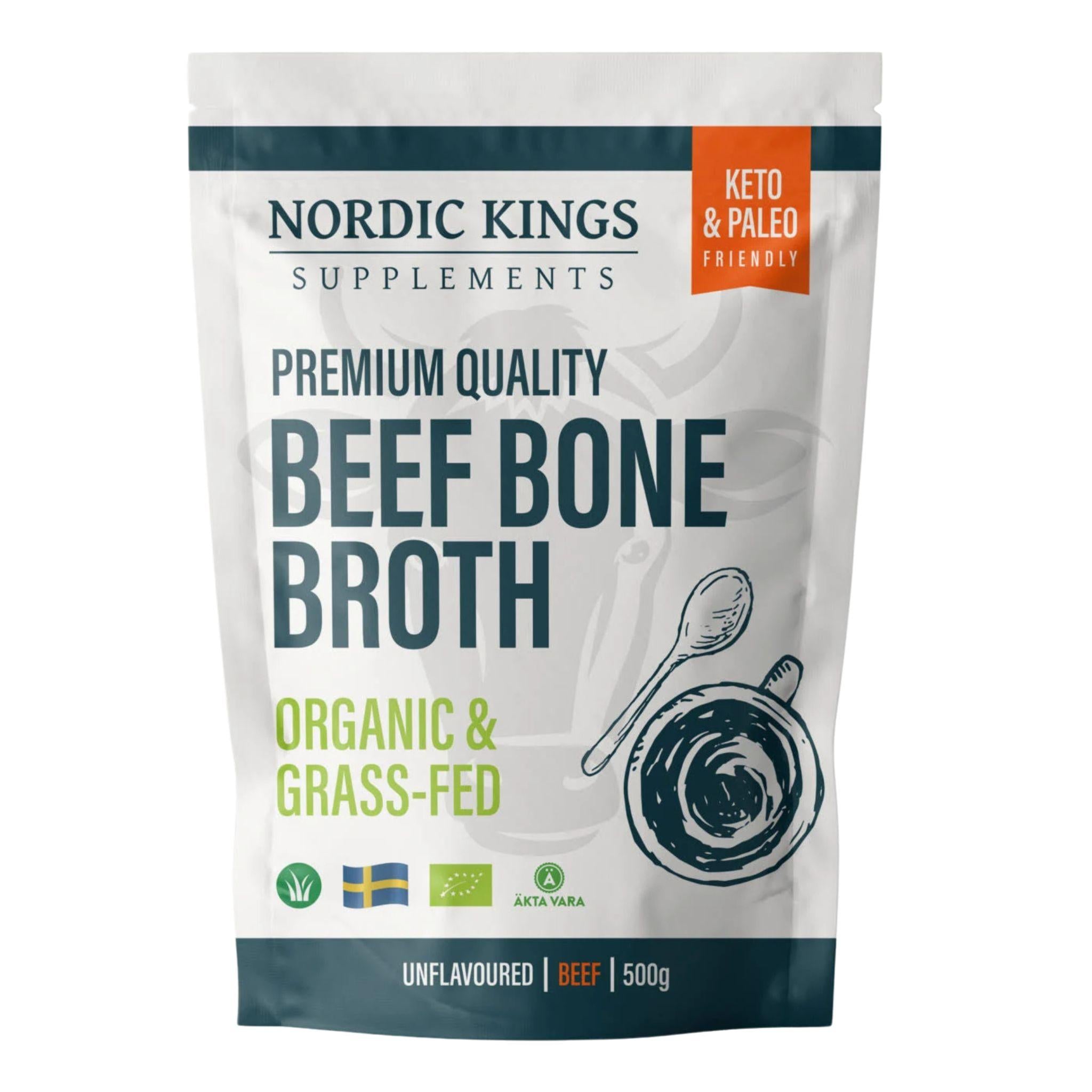
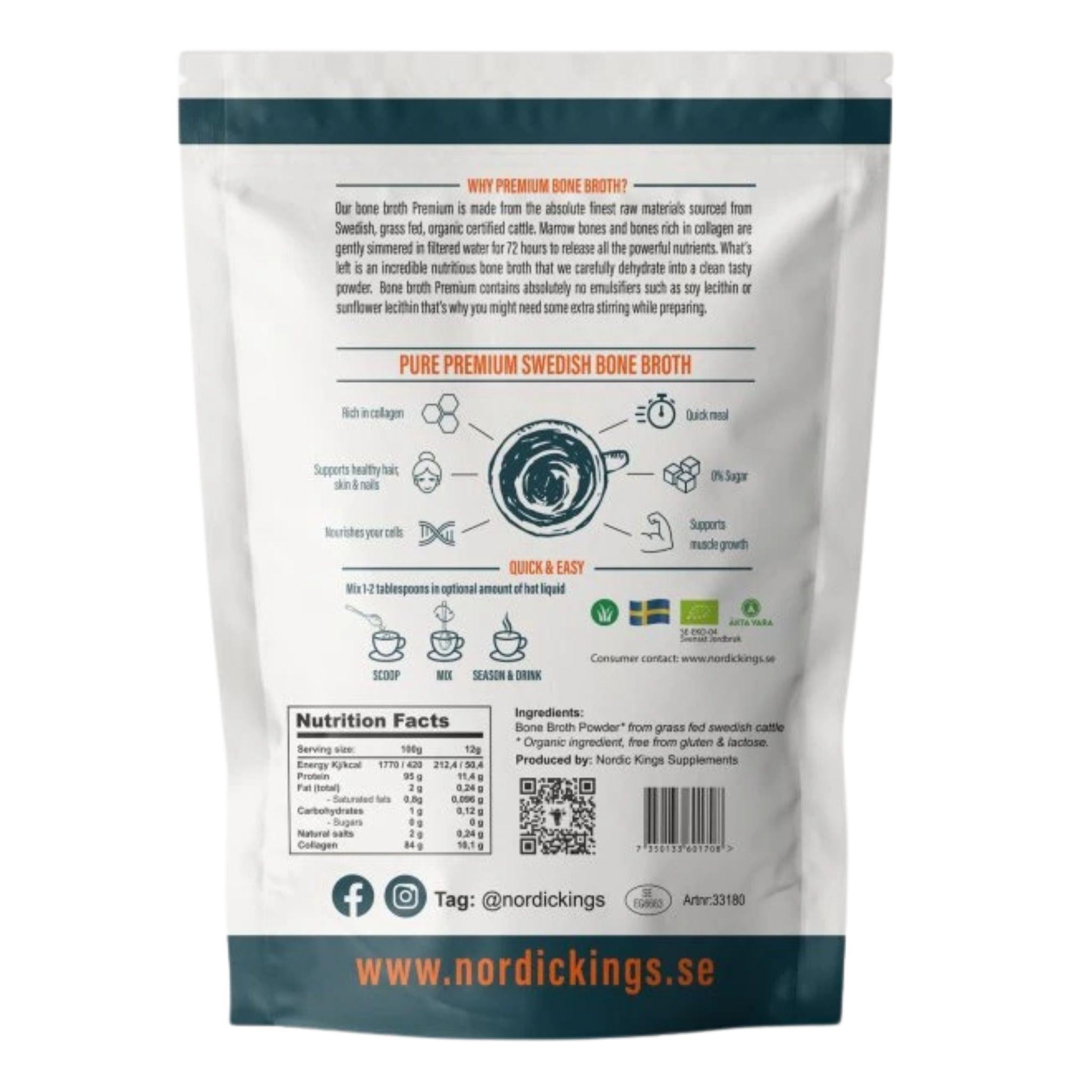
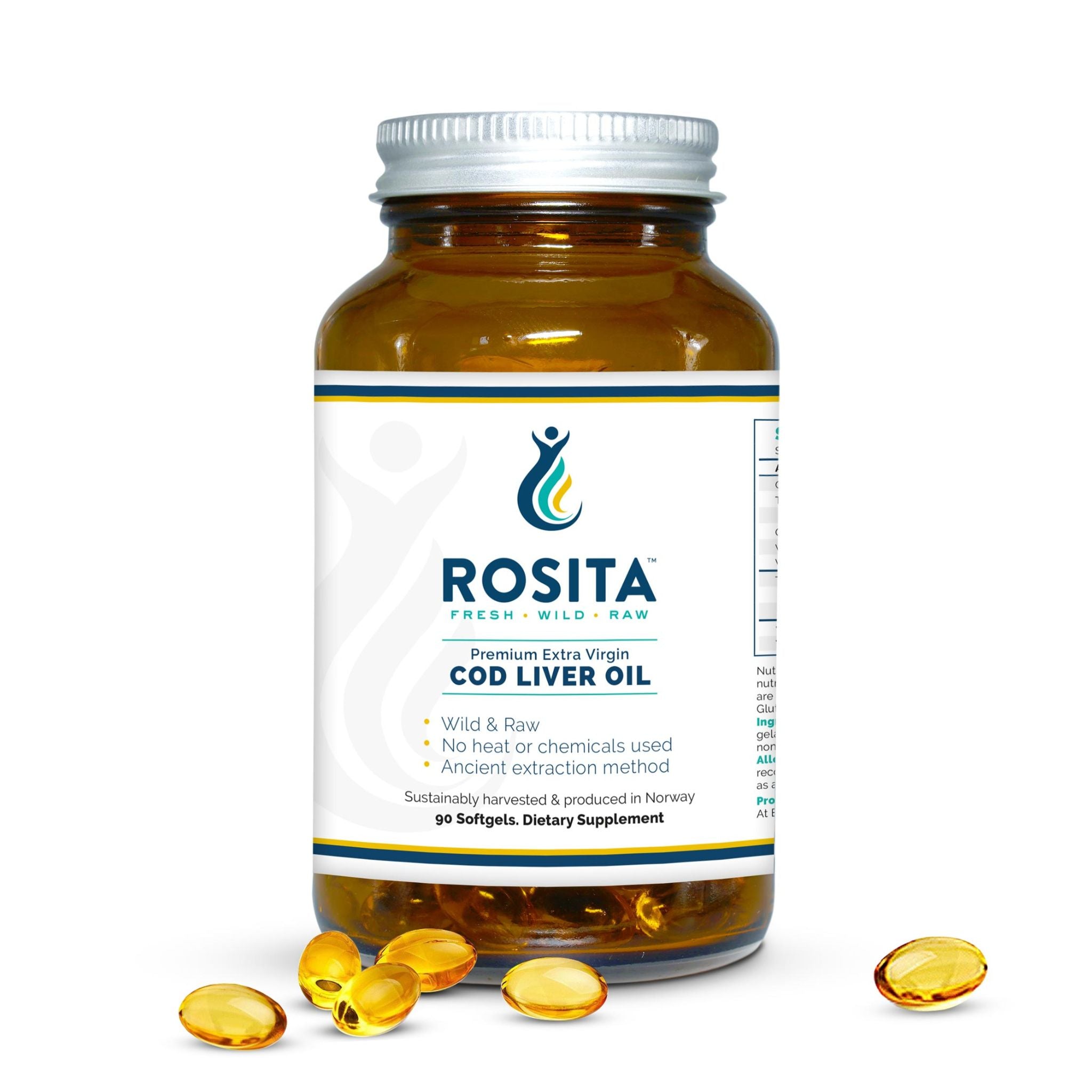
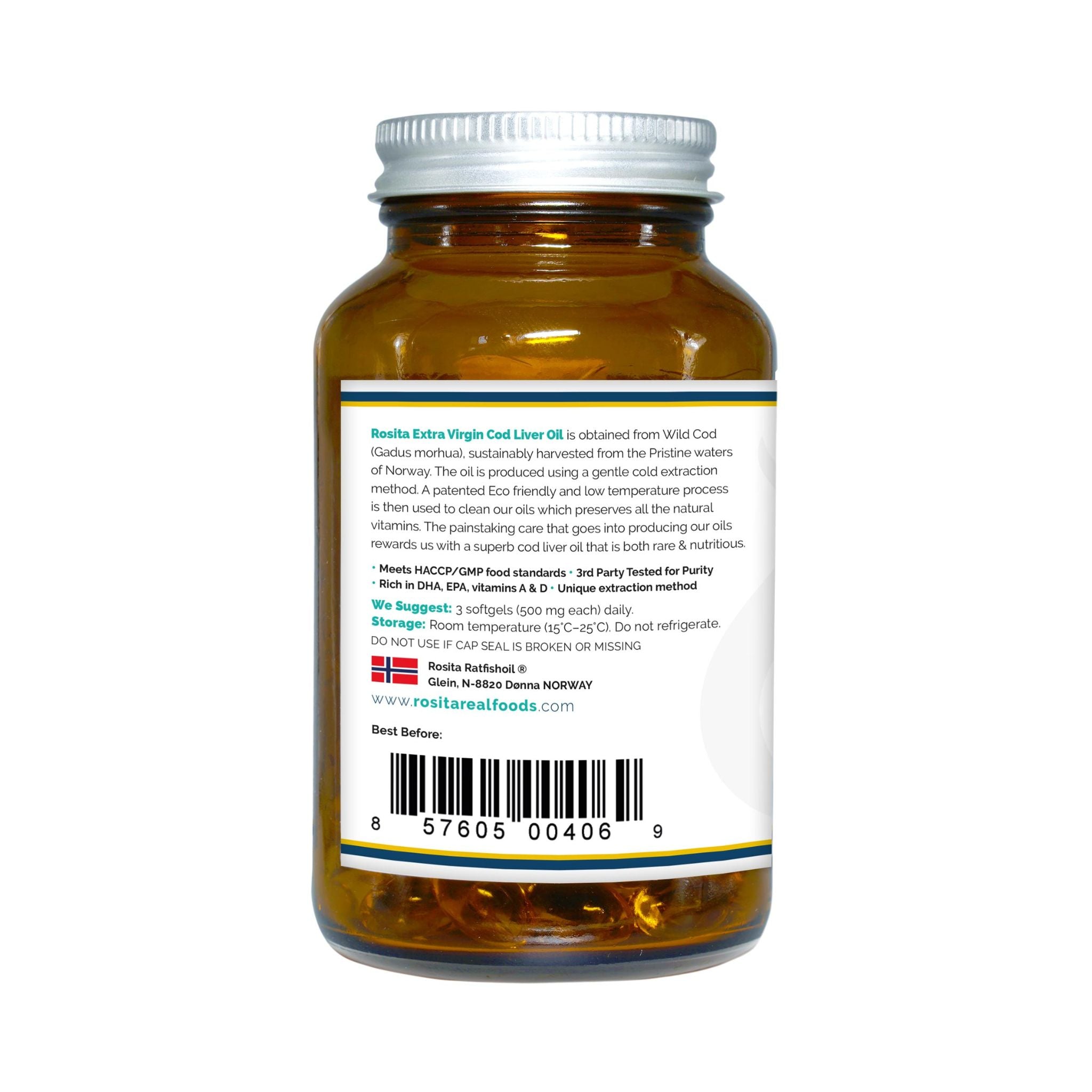
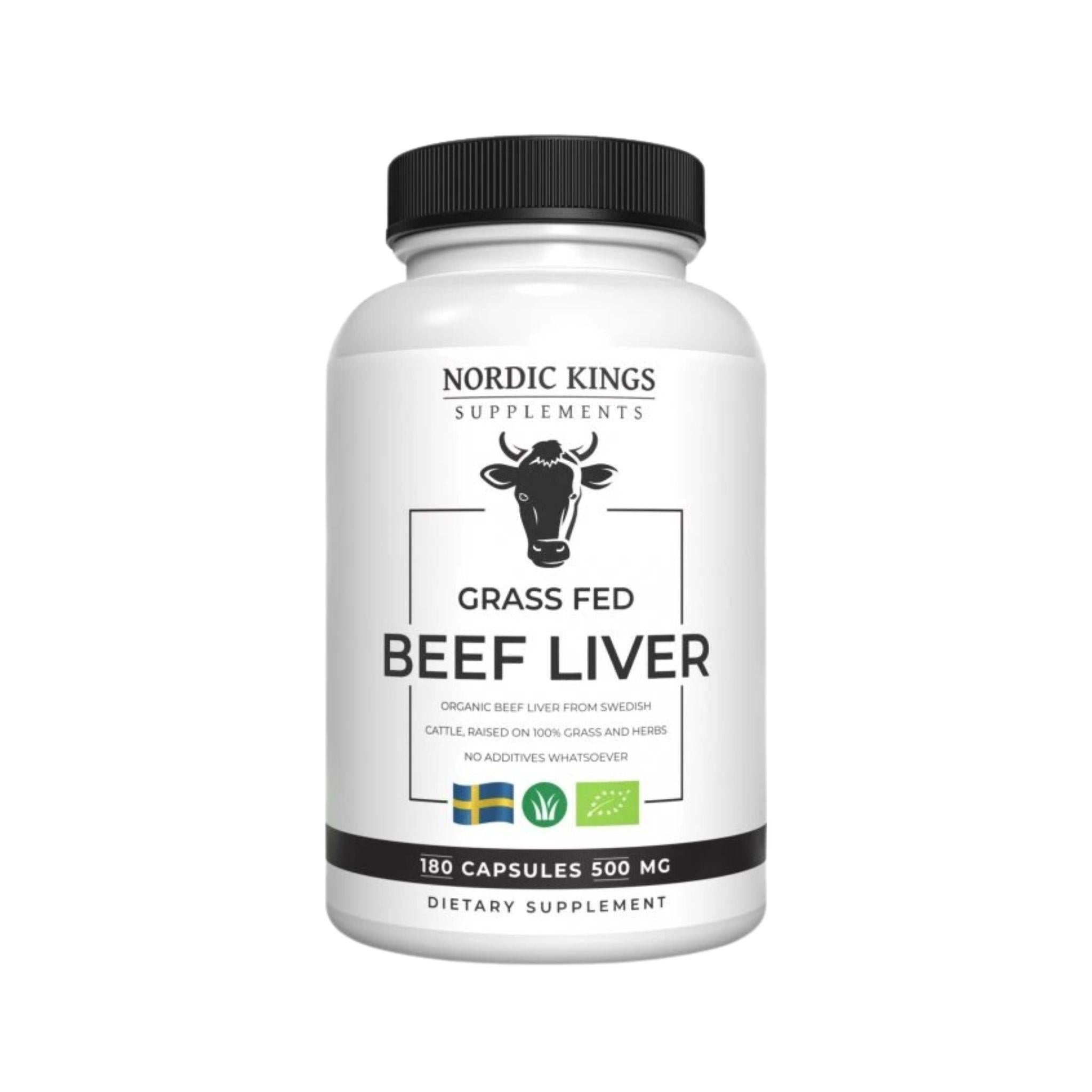
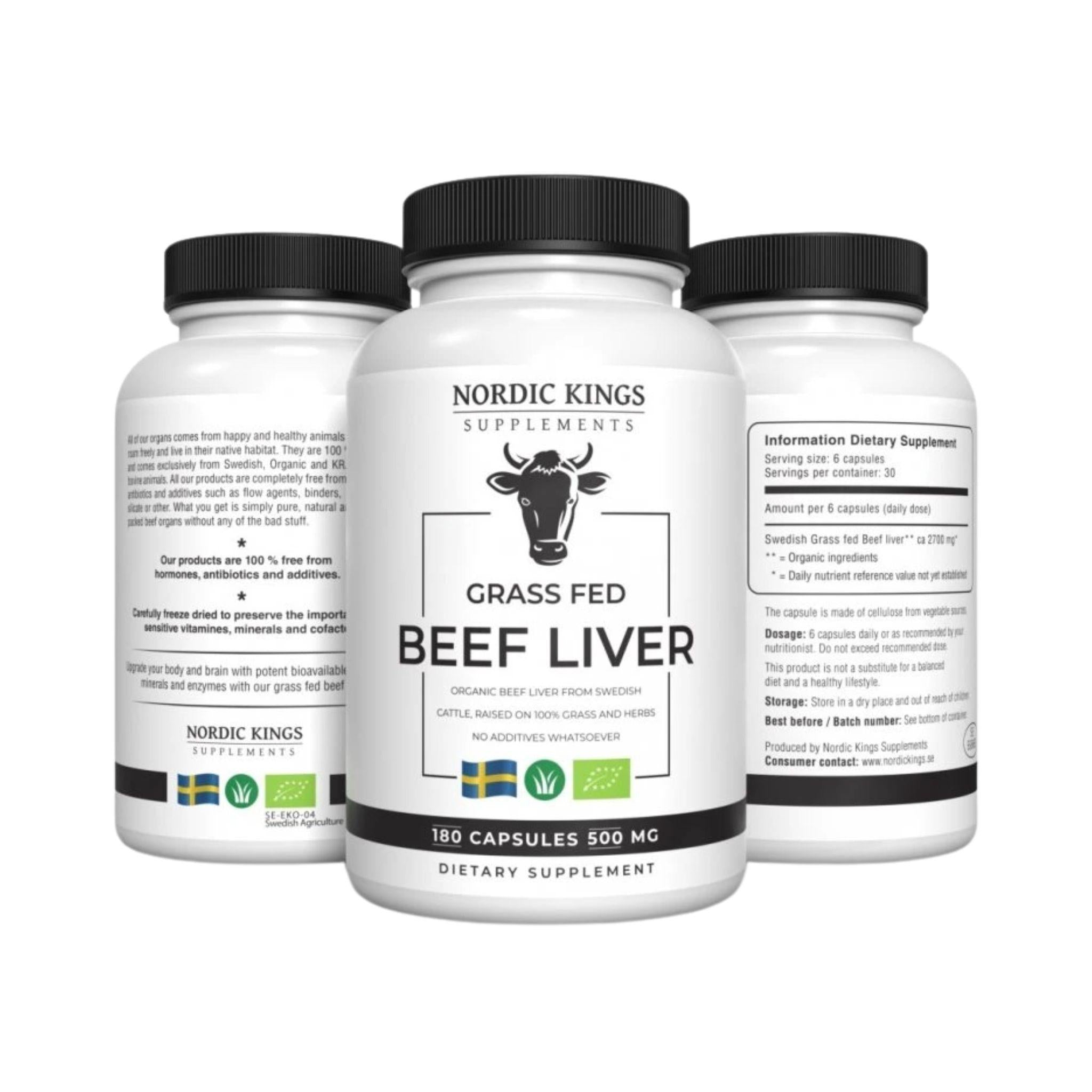
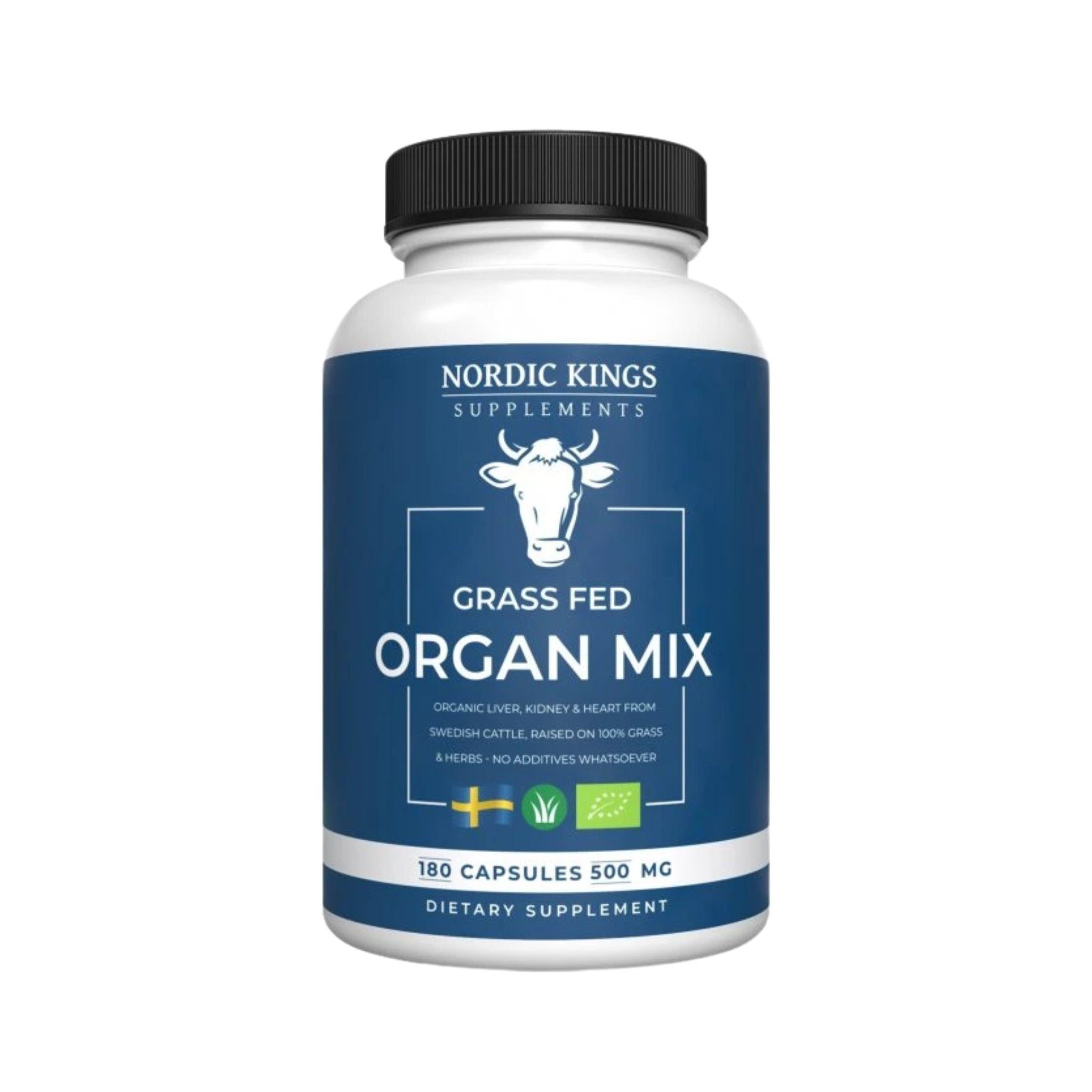
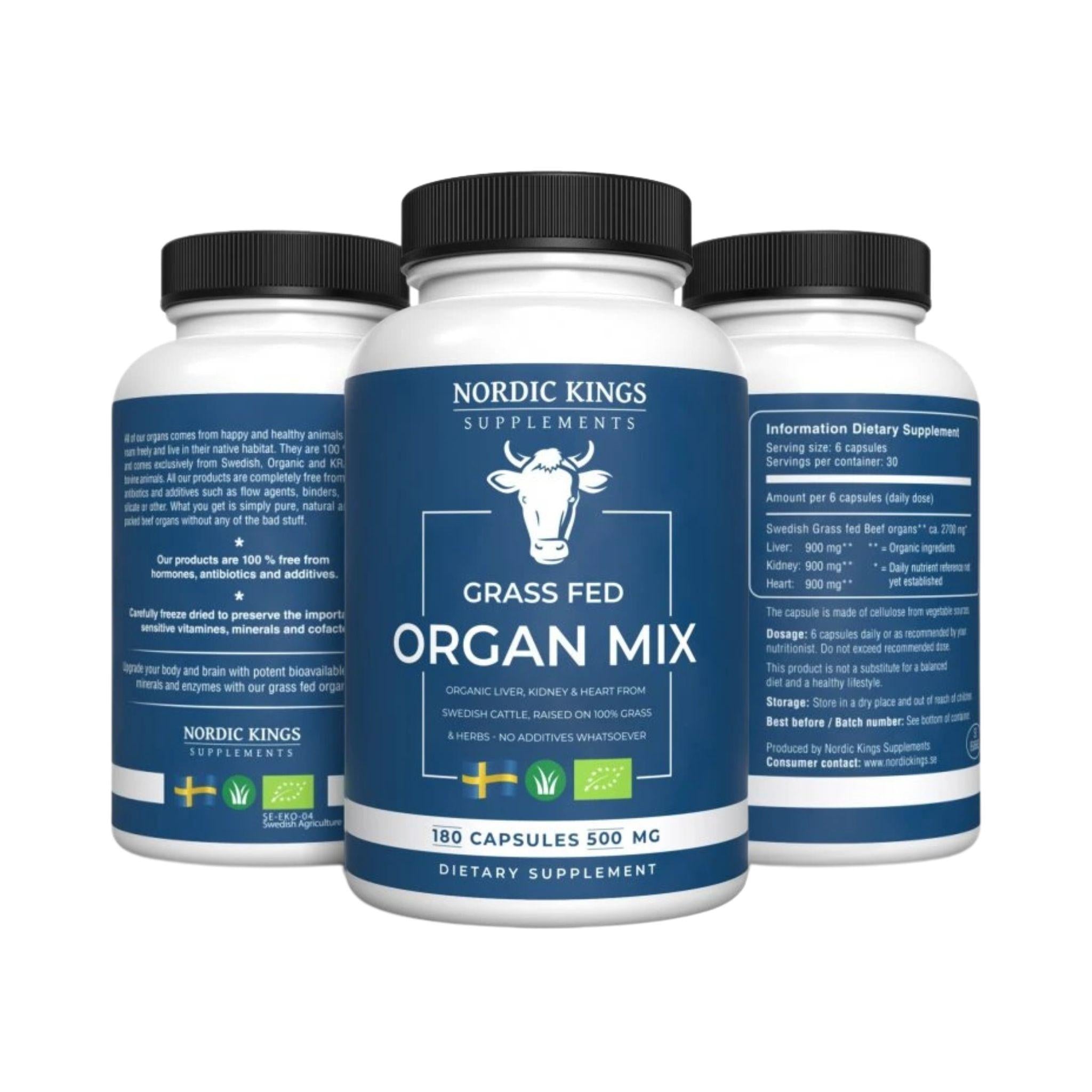
A large part of our range comes in HPMC capsules – from the functional mushrooms and medicinal plants to the freeze-dried organs. The price difference is real, but the shell should not be where the saving happens. With animal contents – organs, bone broth, cod liver oil – the plant-based shell is simply consistent: what is inside is on the label, and the packaging should add nothing to it.
How to spot it
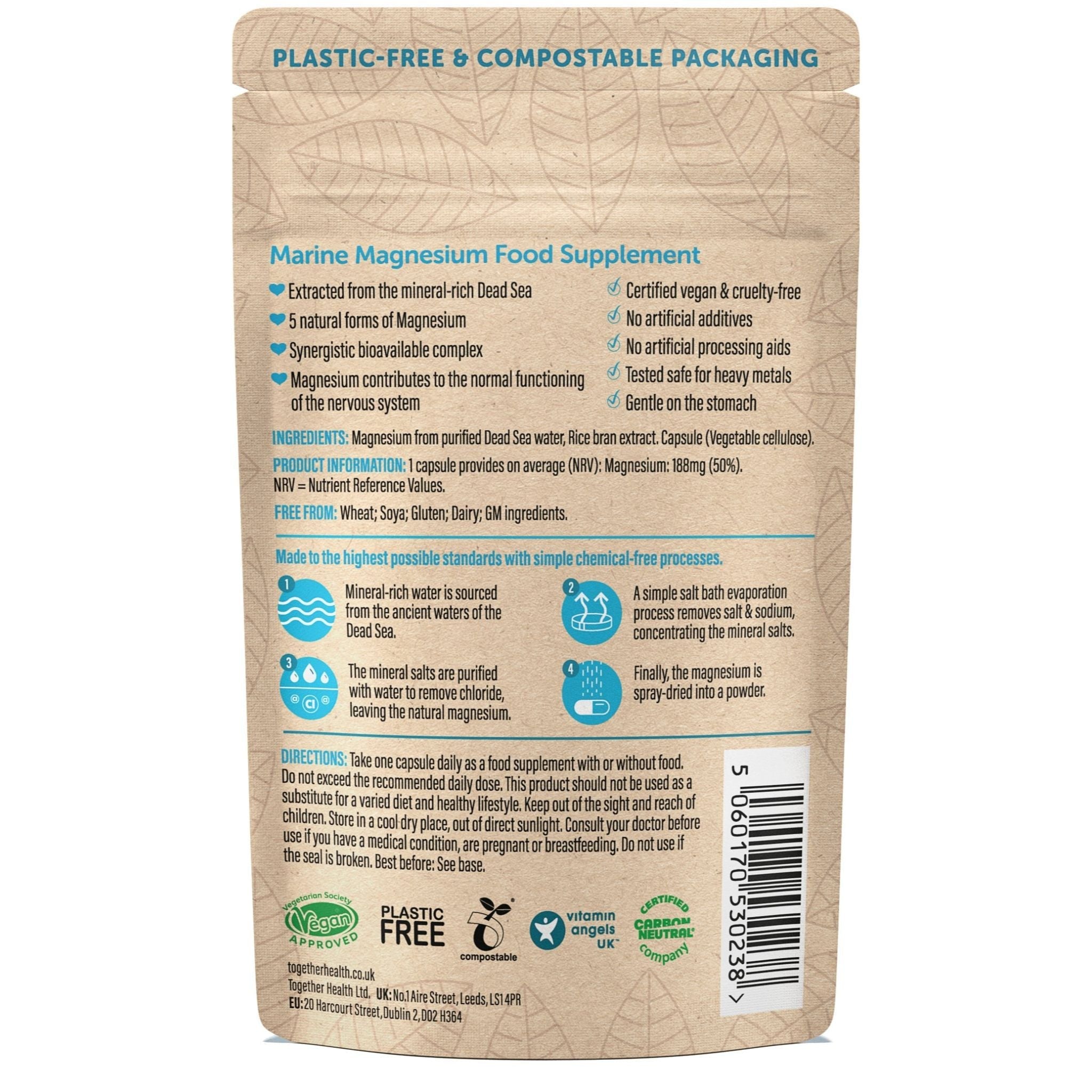
The shell is always on the ingredient list – as «HPMC», «hydroxypropyl methylcellulose» or «plant cellulose». If it says «gelatine», or says nothing at all, you know where you stand. The full range is under Supplements.